

Volunteering With Mental Health is an important part of everyone’s life. However, it is not something that is talked about much in our society. When it comes to volunteering, many different options are available, and it is important to consider what you want to achieve from the experience. I have volunteered in mental health services for over 15 years, and I can say that it is very rewarding and also very stressful.
What is the right thing to do when you feel overwhelmed, hopeless, or depressed? Is it OK to ask someone else for help? Should you suck it up and tough it out?
Many people need more help than just themselves to get through these difficult times.
Are you looking to volunteer your time and skills to help others? Or, perhaps you would like to help people who need mental health services but don’t know where to seek help.
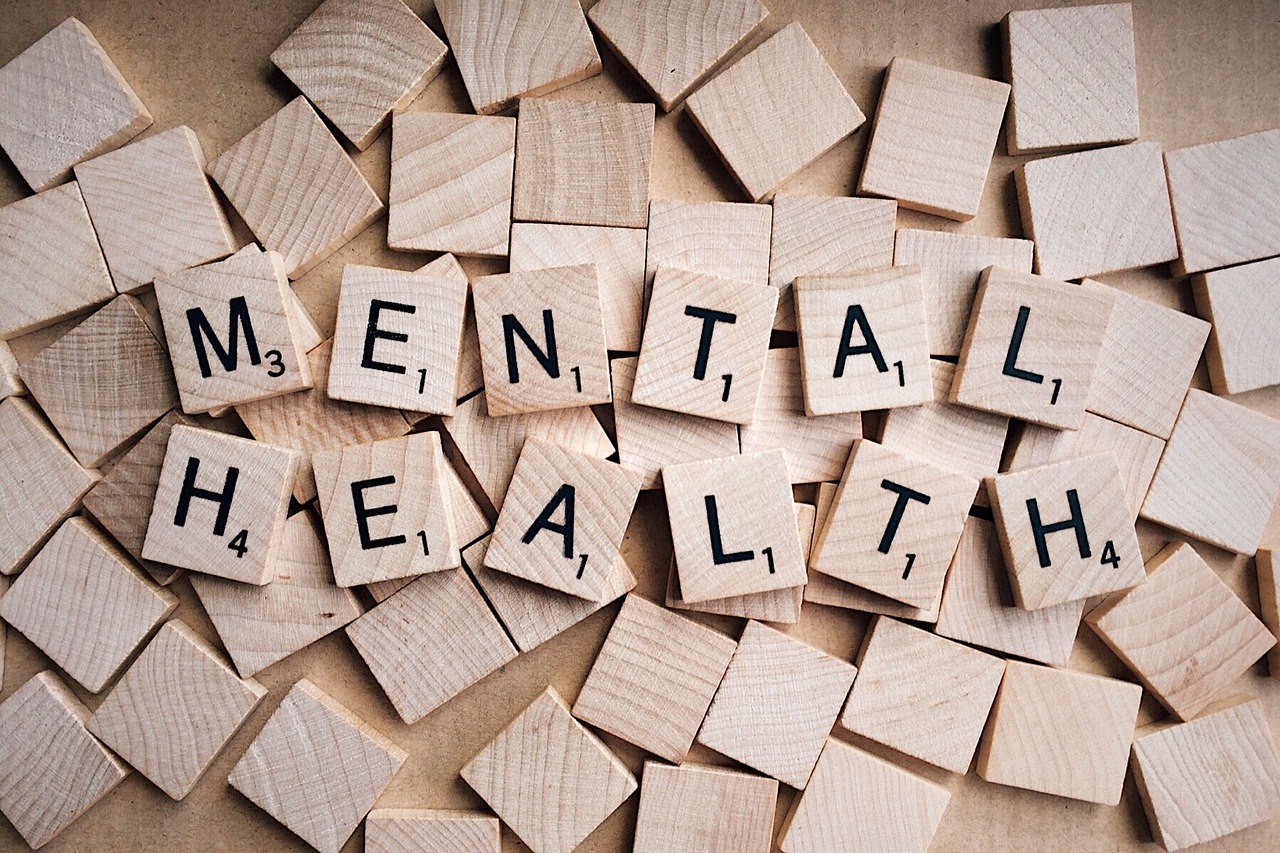
It seems like a simple question, but the answer isn’t quite as obvious as it may seem.
In this article, I will discuss what volunteering with mental health means, how to find opportunities, and how to make the most of your experience.
What are the benefits?
Volunteers are the backbone of many community projects, and the mental health industry is no different. However, if you have been struggling with your mental health issues, then you may be better off finding something else to do.
You’re not alone if you’re interested in volunteering for a mental health organization but don’t know if you’d be a good fit.
There are a lot of misconceptions about what it takes to volunteer for a mental health organization. So many people believe that they need to have experience with mental health issues before they can do anything.
You’ll learn why you don’t need experience to volunteer for a mental health organization and discover what type of experience you should have to qualify for different positions.
Many people don’t realize that volunteering can be a great way to help someone with mental health problems, and even yourself.
People often ask me why I volunteer, and my answer is always the same. There are so many people in the world who need help.
While I often think that the only way to help them is to donate money, I find that volunteering is much more rewarding.
People see your positive impact and are often more than willing to pay it forward.
What are the risks?
Volunteer opportunities for people with mental health conditions vary greatly by location. And some are not available at all. If you want to give back and contribute your skills and time to an organization committed to creating positive change in the lives of people living with mental illness, consider volunteering with one of these organizations.
I know that mental health can be a very touchy subject. It’s important to remember that we all go through difficult times.
When you volunteer for mental health organizations, you can share your experiences and help others who may be going through similar issues. This is an excellent way to get your feet wet and see if this work suits you.
However, volunteering is a time-consuming endeavor. You’ll need to devote a large chunk of your time and energy to this work, which means you cannot earn income during this period.
However, that doesn’t mean that volunteering is right for everyone. If you’re unsure if you’re the right person to volunteer with, check out these pros and cons.
What it was like
Volunteering is a great way to meet new people and can be a positive experience. However, it may not be the right fit for you if you’re feeling anxious or overwhelmed.
Many organizations and people are willing to receive it if you’re interested in volunteering with mental health.
There are many different ways to volunteer and many opportunities you can take advantage of.
I was surprised by how many opportunities I found for people who wanted to volunteer. There were so many different types of projects. Some required a lot of training, while others were quick to start.
There are two different ways to help someone with mental health issues. One is to provide support and encouragement, and the other is to listen. The second option is easier and provides an immediate reaction.
There are many ways to help; if you can encourage, you will have a better chance of helping that person than saying, “I am here for you.”
There is a great deal of difference between the two. Depression has to do with feelings of sadness, loneliness, and hopelessness.
Anxiety is usually associated with fear and worry. There are many forms of depression, but they all have one thing in common – they cause unhappiness.
What I learned
Volunteering can be a good way to meet new people, make new friends, and learn new skills or do some volunteering that will help you in your career. But if you are not careful, it can also strain your mental health. So, before you sign up for volunteering, consider the pros and cons.
Mental health charities are leading the fight to increase awareness and provide support for mental illness. They say they need more volunteers like you!
It was amazing. I worked for a nonprofit organization and was an advocate for those with mental illness. I worked with young adults on their first job and helped them develop self-confidence.
I have since joined another nonprofit and am now working as an advocate. It has made me want to be involved in advocacy.
The difference between working with mental health and working with a social service agency is that a social service agency provides services to people who are already in need of help, while the programs offered by a mental health agency provide a wide range of services to both people who are struggling and people who are not working.
Frequently Asked Questions (FAQs)
Q: Is volunteering with Mental Health in Hong Kong right for you?
A: Yes, it’s right for me. I want to give back to society by helping others who are going through my struggles. If I can help someone else, I feel better about my life. Also, I love giving back to Hong Kong. It’s my home, and I want to ensure everyone is OK.
Q: Are there any downsides to doing this?
A: One downside is that I will be away from home often. But as long as I am helping someone else, it doesn’t matter where or what I am doing.
Q: What are the requirements for volunteering with mental health?
A: To volunteer with mental health, you must be at least 16 years old and have good communication skills.
Q: What are some benefits of volunteering with mental health?
A: One of the greatest benefits of volunteering with mental health is giving back to a community that has given you so much. When you volunteer, you pass your time, energy, and attention to a cause you believe in.
Q: What are some disadvantages of volunteering with mental health?
A: Some of the drawbacks of volunteering with mental health include feeling overwhelmed, anxious, and depressed after the experience. However, if you feel these negative emotions, it might not be a good fit for you.
Myths About Mental Health
1. All mental health volunteers are the same.
2. There are no roles available.
3. It’s not a job.
4. You have to be able to cope with emotional trauma.
5. Volunteers are “heroes”.
6. It’s easy to make friends.
7. It’s easy to make money.
Conclusion
Before we get into this question, let me say I’m not qualified to answer it. I’ve never volunteered myself with mental health issues, so I can’t speak from experience.
I have always firmly believed that helping others is a powerful way to improve yourself.
I’m not saying that you should volunteer to help people who have mental health issues, but I do think that volunteering is a great way to help yourself.
I’ve been volunteering for nearly a decade, and I can say that it has changed my life. I’ve been able to help others, make new friends, and even earn money.
However, I know it’s a great way to give back and meet new people. If you’re interested in volunteering with mental health issues, I recommend looking into local organizations and charities working on these problems.
Also, look into nonprofits that are focused on mental health.
